Fourteen Years of Powerhouse: The Visionary and the Future
Fourteen Years of Powerhouse: The Visionary and the Future
Fourteen years ago, Jessica Bertsch was a military wife trying to balance corporate and family life with constant moves. It wasn’t easy. Her husband, Fritz, deployed over twenty-five times while he was active duty in the U.S. Coast Guard. Companies were wary of hiring someone that would only be on location for a year or two. She spent a few years wanting to tackle the business world as an entrepreneur but struggled to figure out how. Then a conversation with her father-in-law changed her life.
“He asked me how Powerhouse was different from any other freelance agency,” Jessica says. “Then it clicked. We would be primarily based on military spouses. A market that is overqualified and underutilized.”
The plan was for military spouses to come in and build upon their career. They would stay for six months to a year, develop skills, and move on. To Jessica’s surprise, however, the company was a place where freelancers found a work home. “People came and fell in love,” she says, “and they just stayed to make Powerhouse their career. That, I did not predict.”
But what did that mean for structure? If people wanted to stay, didn’t it make sense to be a full-time, “butts-in-seats” company? “It [would be] easier for me,” Jessica says, “because right now, there’s so much flexibility that I have little to no control over things.” To settle the debate, Jessica turned the question over to Powerhouse’s greatest strength: its team members.
“We started having town hall meetings last year to find what feels healthiest and what feels right,” Jessica says. They all echoed a similar view. “We are Powerhouse because we have this unique structure,” Jessica explains. “We need to stay who we are while scaling the way we are, to be open and honest about the growth and the challenges.” It was decided: Powerhouse employees would stay as primarily 1099 freelancers, to allow them the flexibility that Jessica first imagined. With the projected growth, Powerhouse may have to pivot some of its leadership positions to employee status, but that will be determined in 2027.
As popular as the company was with its freelancers, however, there were hurdles Jessica had to overcome. The biggest was finances. “Do I pay myself or reinvest? How do I structure the company’s finances? It took a long time—years—until I decided to pay myself,” she says. Jessica is a huge proponent in doing what you love and finding joy. Finances do neither of those for her.
Luckily, her recently retired husband has her covered. “He’s been secretly volunteering for Powerhouse since day one. He’s been handling the finances, especially when I didn’t have the finances to bring on accounting assistance,” Jessica says. She added that he would have full-time responsibilities now that he’s retired from the Coast Guard and has joined Powerhouse as its vice president of operations and finance.
Still, Jessica had to organize and run a company as a military spouse. Her husband’s career brought her to ten different stations—seven of which while managing Powerhouse. “It was really hard,” she says. “For so many years, I didn’t realize how hard it was. And I never let people know. Every time we move, I have to keep state compliance. It’s a pain, being based in Virginia. I have to register doing business in every state I move to.” The solution to this problem? Communication, via internal meetings meant to share stories with her employees and boost company morale.
“I started the State of Powerhouse [quarterly internal meetings] so I could tell people about all the awesome stuff happening,” Jessica says, “and to let everyone know that this is hard. Like, super hard. I step back and realize it’s hard for a lot of us, so we want to focus on the good stuff sometimes.”
To Jessica, “good stuff” is intentionally vague. Sometimes she wants to highlight large grants her team secured for a client. Other times, she’s celebrating a work anniversary, birthday, or new baby.
“Good stuff” also has a different meaning to Jessica. Powerhouse donates ten percent of its gross revenue to charitable causes through its Share the Goodness program. “As long as I’m morally aligned with the organization,” Jessica says, “I say, let’s do it. We’re funding scholarships with it and large-scale things. Even private things, like helping a young man go to dance camp, or helping someone cover their mortgage.” Jessica roots the Share the Goodness program in her faith. “Ten percent is my tithe. Even when I wasn’t paying myself, we were still giving back ten percent. I felt called to do it,” she says.
Fourteen years later, Powerhouse is continuing to serve. Indeed, fourteen years was longer than Jessica could have hoped for. “Most companies don’t make it past year six or seven,” she explains. “When we got ready to have our ten-year celebration, that was a big moment for me, because it just hit me that, ‘Oh my gosh, we made it ten years!’ Next year, we’re doing something for our fifteen-year anniversary. It’s wild that we can.”
Jessica envisions a bright future for Powerhouse, and she plans on delivering it by sticking to what works. “We have grown through primarily organic growth. We’ve grown through word of mouth and success after success. If we have success with a client, then they go talk to others about it. I plan for more organic growth. Word of mouth. Growing our brand on our service and capabilities,” she says. She also wants to embrace artificial intelligence to take Powerhouse forward. “We’re not fearful of the future,” Jessica says. “We’re trying to embrace it. To get ahead of it. I’m building my own virtual chatbot assistant to help me do behind-the-scenes things, and in the first few months after AI exploded into the business world, we created an AI policy for how to use it. We also are in the process of building phGrants to do even bigger things to support our nonprofit world.”
As Powerhouse continues to grow, Jessica wants to keep all that makes Powerhouse special: its unorthodox yet effective structure, fantastic team members, close relationships with clients, and its charitable Share the Goodness program. Jessica looks to the future with the same energy she had in this interview: with a shrug, smile, and a nod.
“This is us,” she says. “We are Powerhouse.”
 When you’re evaluating a consulting or agency partner, you can read a lot of websites. You can watch a lot of demos. You can sit through a lot of capability decks. What’s harder to find is the unfiltered take from someone who’s actually been on the other side of the engagement. The leader, or client, who hired the team, watched the work get done, and can tell you what was different about it.
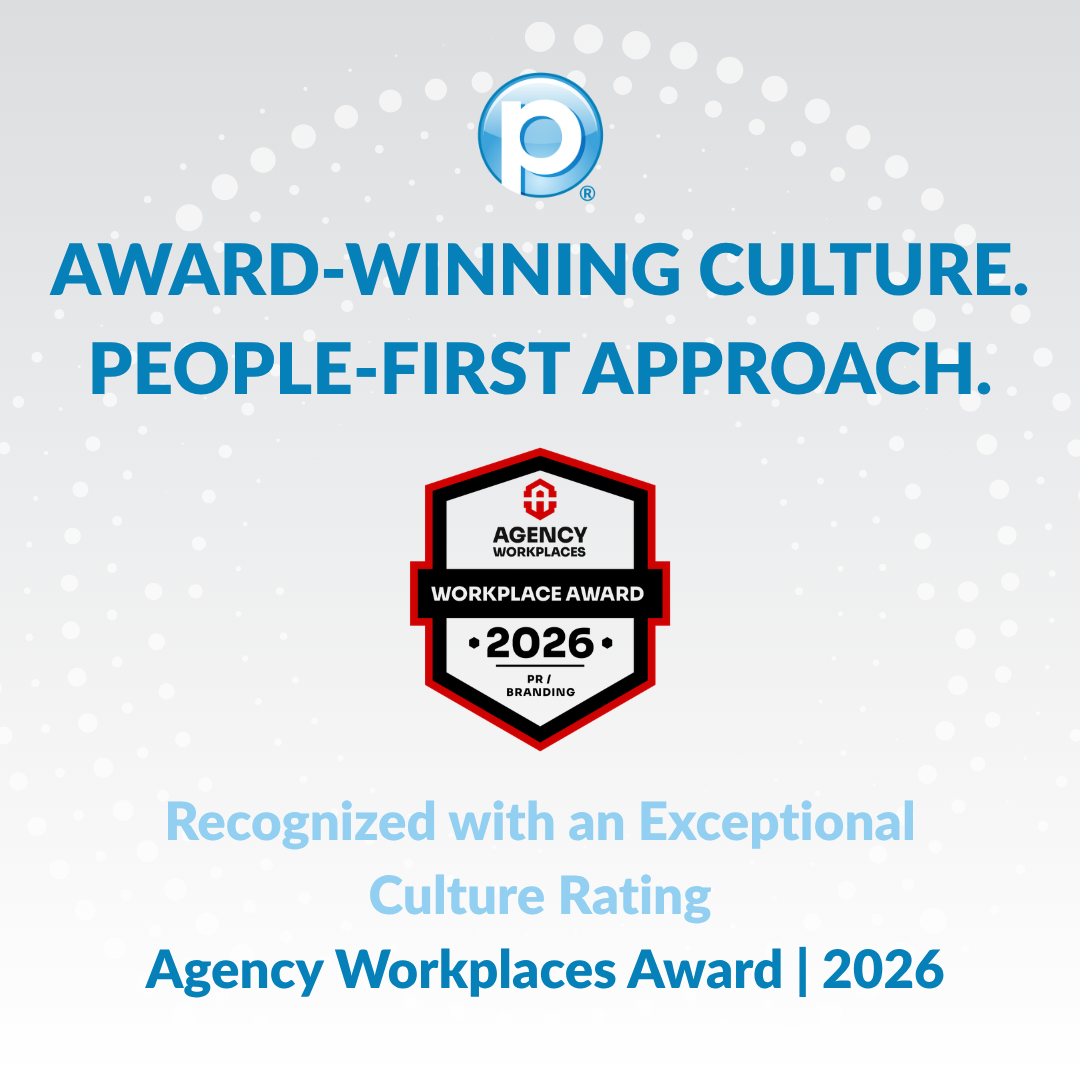 Fairfax, Virginia (June 15, 2026) – Powerhouse Planning has been officially recognized for the Agency Workplaces Award, earning an overall culture score of 98 and an “Exceptional Culture” rating based on team survey results.



 Pittsburgh, Pennsylvania. In her free time, she enjoys traveling (currently working toward visiting all 50 states with her husband) and unwinding with a great book and a perfect cup of coffee.